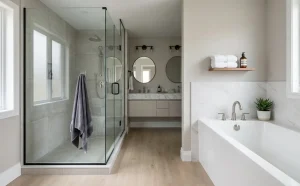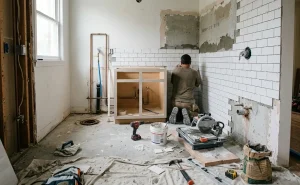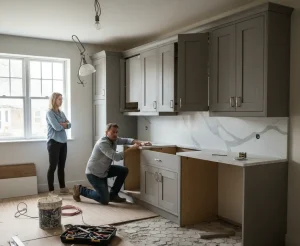


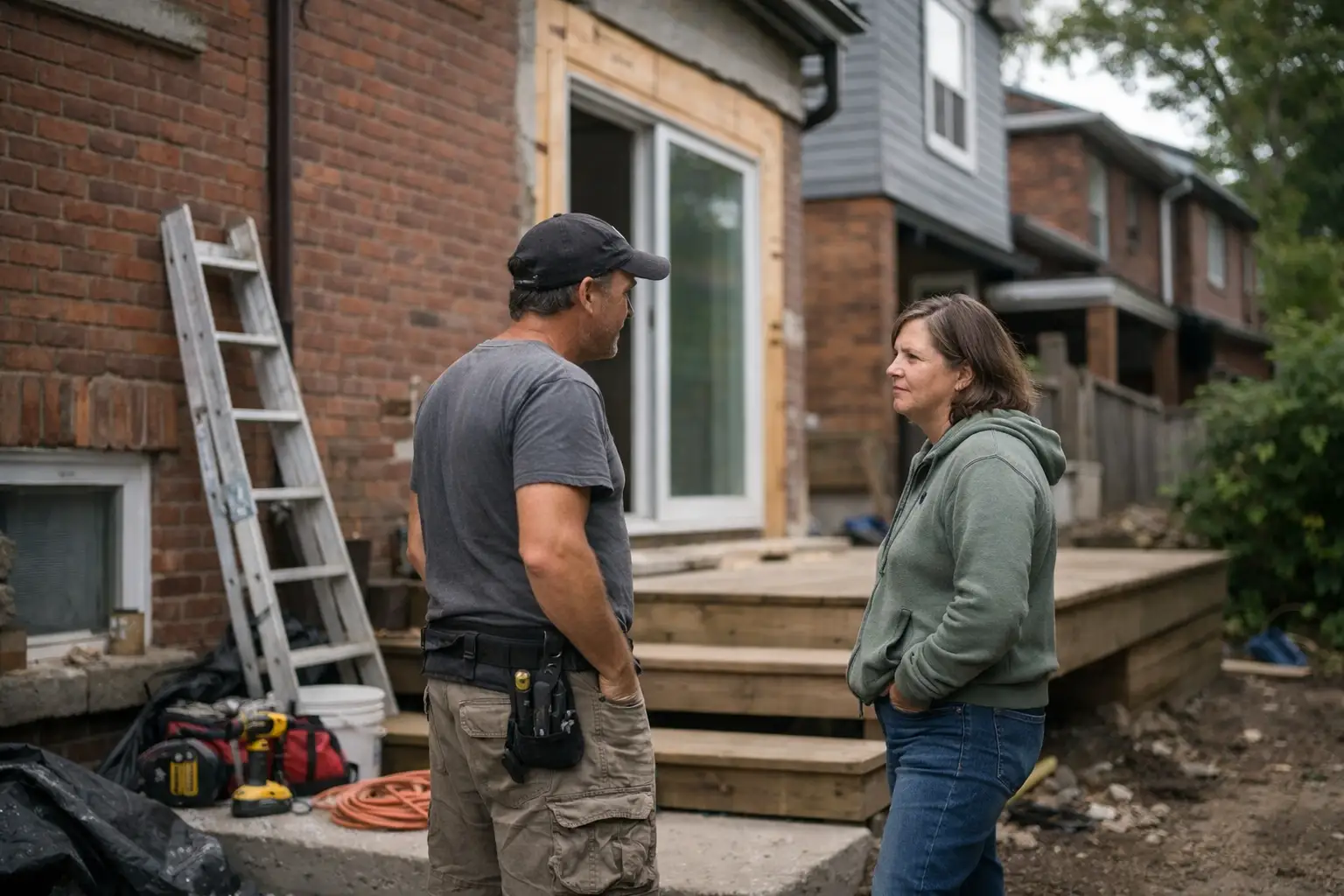
There is a specific kind of thrill that comes with deciding to renovate your home. You start picturing the open-concept kitchen, the spa-like ensuite, or perhaps that basement apartment that will finally help pay the mortgage. It is exciting, isn’t it? But then, reality sets in. Before you can pick out backsplash tiles or argue over paint colours, you have to deal with the less glamorous side of things: the paperwork.
Navigating the bureaucratic maze of city hall is rarely anyone’s idea of a good time (if it is, let us know!). In fact, for many Toronto homeowners, the mere thought of applying for a building permit Toronto officials will approve is enough to stall a project before it even begins. It feels daunting. It feels complex. But here is the truth. Failing to secure the right permissions can turn your dream renovation into a financial and legal disaster faster than you can say “stop-work order.”
If you are planning a project for 2026, you need to be ahead of the curve. The rules evolve, fees change, and timelines shift. This guide is designed to cut through the noise. We want to help you understand exactly what’s required, why it matters, and how to get it done without losing your mind. Think of us as your navigators. We know the waters, and we are here to help you steer the ship.
Key Takeaways for Homeowners
- Safety First: Permits are not just red tape; they are the primary way the city ensures your home is safe to live in and meets the Ontario Building Code.
- Scope Matters: Not every project needs a permit. Cosmetic updates like painting usually get a pass, but structural changes almost always require approval.
- Timelines Are Real: In 2026, the permit timelines Toronto operates on can change substantially depending on project complexity and application completeness.
- Professional Help Pays Off: Working with experienced renovators can streamline the Toronto renovation permit process, saving you time and reducing the risk of rejection.
- Risk vs. Reward: skipping a permit might save time now, but it can cost you thousands in fines and lower your resale value later.
What Is a Renovation Permit in Toronto?
Let’s start with the basics. A renovation permit constitutes formal permission from the municipality to begin construction, demolition, or major alteration on your property. But it’s not just a piece of paper you stick in the window; it is an official agreement that your project plans comply with local zoning bylaws, the Ontario Building Code, and other applicable laws.
Why is that so important? Because under the Building Code Act, the City of Toronto is legally obligated to review your plans to ensure public safety, accessibility, and structural integrity. Whether you are a seasoned investor or a first-time buyer renovating a fixer-upper, the purpose remains the same. It protects you, your family, and your neighbours.
Think of a permit as a safety net. It ensures that the wall you are removing is not holding up the roof and that the new wiring in the basement is not a fire hazard. It also serves as a record. When you eventually sell your home, savvy buyers will want to see that the work was done legally. A closed permit is proof that your renovation was not just a DIY weekend warrior experiment but a legitimate, inspected improvement.
When Do You Need a Home Renovation Permit in Toronto?
This is the most common question we hear: “Do I actually need a permit for this?” The answer is generally yes if you are making changes to the structure or systems of your home. The rule of thumb is simple. If you are opening up walls, changing the plumbing, or altering how the house is used, you likely need a permit.
To answer the query “Do you need a permit for home renovation in Toronto?”, here is a breakdown of work that typically requires one:
- Structural Alterations: This includes removing load-bearing walls, adding new window or door openings, or changing the roof structure.
- Additions: Building a new room, adding a second story, or even building a large deck (if it is more than 60 centimetres above ground) requires a permit.
- Basement Finishing: If you are finishing a basement, underpinning the foundation, or adding a separate entrance for a rental unit, you need approval.
- System Changes: Major changes to your plumbing, HVAC, or mechanical systems require a permit.
- Fireplace Installation: Installing a wood-burning or gas fireplace usually requires a permit to ensure proper venting and clearance.
- Drains and Sewers: Repairing or replacing drains and sewers often requires a specific permit.
It is worth noting that electrical work is handled differently. While it is part of the renovation, electrical permits and inspections are managed by the Electrical Safety Authority (ESA), not the City of Toronto building department directly, though they often run in parallel.
Renovation Work That Usually Does Not Require a Permit
Now for some good news. Not every swing of the hammer requires city approval. If you are simply refreshing the look of your home without changing its bones, you are likely in the clear. The city is not interested in micromanaging your taste in cabinetry or your choice of hardwood flooring.
Generally, you do not need a permit for:
- Cosmetic Updates: Painting, plastering, or installing wallpaper.
- Flooring and Cabinetry: Replacing kitchen cabinets (without moving plumbing) or installing new floors.
- Window and Door Replacement: As long as you are putting a new window or door into an existing opening of the same size, you usually do not need a permit.
- Roofing: Reshingling a roof (provided no structural work is done).
- Fences: Standard fences usually do not need a building permit, though they must still comply with fence height bylaws.
- Small Accessory Structures: A small garden shed (typically under 10 square metres) that does not have plumbing usually does not require a permit.
Here is a quick reference guide to help you visualize the difference:
| Project Type | Permit Likely Required? | Notes |
| New Kitchen Cabinets | No | Unless you are moving plumbing/gas lines. |
| Removing a Wall | Yes | Structural drawings usually required. |
| New Deck (Low) | No | If not attached to house and <60cm high. |
| New Deck (High) | Yes | If attached or >60cm above ground. |
| Finishing Basement | Yes | Crucial for insulation/safety compliance. |
| Replacing Furnace | No | Assuming no ductwork changes (verify with HVAC pro). |
Zoning Bylaw & Applicable Law Requirements
Before you even think about the building code, you have to deal with zoning. Zoning bylaws in Toronto dictate what you can build and where on your property you can build it.
These rules cover things like:
- Setbacks: How far your house must be from the property line.
- Lot Coverage: What percentage of your land can be covered by buildings?
- Height: How tall your structure can be.
- Use: Whether you can have a secondary suite or run a business from home.
If your renovation plans do not fit the current zoning box, you have two choices. You can redesign your project to comply, or you can apply for a “minor variance” through the Committee of Adjustment. Be warned that the latter route adds time and money to your project. It involves a public hearing where your neighbours can voice their opinions.
This is where having a professional partner helps. We can review your survey and tell you immediately whether your dream addition will run afoul of the zoning bylaws. It is always better to know this before you pay for expensive architectural drawings.
Also Read: How Much Does a Home Renovation Cost in Toronto
How to Apply for a Home Renovation Permit in Toronto
Ready to get started? The permit application guide for Toronto has moved largely digital, which is convenient, but it also means you have to be precise. The city uses a system called “ePlans” for submissions.
Here is the practical step-by-step process:
- Preliminary Zoning Review: Before applying, you can ask for a Preliminary Project Review (PPR) to see if your proposal complies with zoning. This is optional but highly recommended for complex projects.
- Prepare Your Drawings: You cannot just sketch on a napkin. You need professional architectural drawings that meet the city’s standards.
- Submit Application: Log in to the Toronto Building ePlans portal. You will need to fill out the “Application for a Permit to Construct or Demolish” form.
- Pay Initial Fees: You will pay a portion of the permit fee upfront to trigger the review.
- The Review Process: City examiners will review your plans for zoning, building code, and fire safety compliance.
- Revisions: It is very common for the city to ask for corrections. Don’t panic. This is a feature, not a fault. Your designer or architect will address the examiner’s notes and resubmit the project.
- Approval and Issuance: Once everything is green-lit, you pay the remaining balance, and your permit is issued. You must post it visibly on the job site.
Mini-Checklist for Submission:
[ ] Application Form fully completed
[ ] Schedule 1 (Designer Information)
[ ] Digital copies of all drawings (PDF)
[ ] Property Survey
[ ] Credit card for fees
What Documents You’ll Need
We cannot stress this enough; incomplete applications are the number one cause of delays. When you submit your construction permits in Toronto, the documentation must be thorough.
Typically, you will need a site plan that shows your entire property, including the house, other structures, and property lines. You will also need floor plans for every level of the home (even the ones you aren’t renovating, sometimes), elevations (exterior views) of each side of the house, and cross-sections that show how the house is built from the footing to the roof.
If you are removing walls, you will likely need structural engineering drawings stamped by a professional engineer. If your home is in a ravine protection area or a heritage district, you will need approvals from those specific bodies as well. It is a lot of paper, but every sheet serves a purpose.
Permit Review & Timeline Expectations
“How long will it take?” is the question every homeowner asks. The honest answer? It depends.
The City of Toronto has different streams for different projects. For a simple basement finish or interior alteration, you might fall under the “House & Small Building” stream. The city aims to review these within 10 business days, but that is a target, not a guarantee.
In reality, permit timelines Toronto homeowners experience in 2026 can fluctuate based on application volume and staffing levels at the city. A complex addition requiring zoning variances could take months. A straightforward interior reno might take a few weeks.
Also, remember that the timeline pauses every time the city sends the plans back for revisions. If your drawings are unclear or missing information, the clock stops until you fix them. This is why getting it right the first time is so critical.
Permit Fees & Cost Considerations
Renovation budgets are tight, and nobody likes surprise costs. Renovation permit fees in Toronto are generally based on the size of the project (square metres of work area) and the type of work being done.
As of 2026, you should budget for:
- Permit Fees: A base fee plus a rate per square metre of construction.
- Zoning Review Fees: Often charged separately.
- Damage Deposits: The city may require a deposit to cover potential damage to city property (like sidewalks or trees) during construction.
Keep in mind that fees are reviewed annually. We have seen a trend of gradual increases to cover the city’s administrative costs. While the permit fee might feel like an annoyance, it is usually a very small percentage of the overall renovation budget. Trying to save a few hundred dollars here by skipping the permit is penny-wise and pound-foolish.
Also Read: Get Extra Income: Legalize Your Toronto Basement Apartment!
What Happens If You Renovate Without a Permit
We get it. The temptation to just “get it done” without alerting the city is strong. But the risks are massive.
If a neighbour complains (and they often do) or a city inspector drives by and sees a bin in your driveway, you could be hit with an “Order to Comply” or a “Stop Work Order.” This means all work halts immediately. You will then have to apply for a permit anyway, often paying a surcharge for work started without authorization.
Worse, you might be forced to open up finished walls so inspectors can see the plumbing or framing. In extreme cases, if the work violates zoning or safety codes and cannot be fixed, you might be forced to tear it all down.
Beyond the immediate legal trouble, unpermitted work is a red flag for insurance companies. If a fire starts in an unpermitted basement apartment, your claim could be denied. And when you go to sell, savvy buyers will ask for closed permits. If you cannot provide them, you may have to lower your asking price or lose the sale entirely.
How Professionals Help With Toronto Renovation Permits
You might be thinking that this sounds like a full-time job. You would be right. Managing the Toronto home renovation permits process requires patience, technical knowledge, and attention to detail.
This is why so many homeowners choose to work with a dedicated renovation partner. At The Home Improvement People, we don’t just swing hammers. We handle the logistics. We work with trusted architects and designers to ensure your plans are compliant from day one. We handle the ePlans submission. We deal with the city examiners, so you do not have to.
When you hire a professional, you’re not just paying for labour. You’re paying for the assurance that your project is legal, safe, and built to last. We know the Toronto renovation permit process inside and out, and we use that expertise to keep your project on track and on budget.
Secure Your Investment and Your Peace of Mind
Renovating your Toronto home is a journey. It starts with a vision and ends with a space that enhances your life and property value. But the bridge between that vision and reality is built on proper planning and compliance.
Permits might seem like a hurdle, but they’re actually the foundation of a successful project. They protect your family from unsafe workmanship, protect your wallet from future fines, and protect your investment for the long haul. In 2026, with regulations stricter and timelines tighter, having a knowledgeable partner is more valuable than ever.
You do not have to work through the complexities of city hall alone. Whether you are dreaming of a new addition, a modern basement suite, or a complete home transformation, we are here to ensure every ‘i’ is dotted and every ‘t’ is crossed.
Planning a renovation in Toronto? Contact Home Improvement People to ensure your project is fully permit-compliant and stress-free from planning to completion. Let’s build something extraordinary together, the right way.