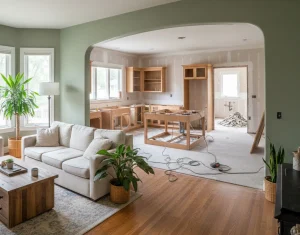



They say the kitchen is the heart of the home, but let’s be honest for a moment. It is also the room that can make or break a sale faster than you can say “granite countertops.” We have all walked into an open house and spotted a renovation that made us scratch our heads. Maybe the island was large enough to land a small aircraft, or the backsplash looked like an aggressive art project.
While the intention behind a remodel is almost always to improve the space, not every upgrade translates to money in your pocket. In fact, certain choices can actively shrink your return on investment. As we move deeper into 2026, buyer expectations in Toronto and the GTA have shifted. The “new is better” mentality has been replaced by a demand for quality, functionality, and timeless design.
If you are planning to swing a sledgehammer soon, you need to know the difference between an upgrade that adds value and one that becomes a liability. We have compiled the most common kitchen renovation mistakes homeowners make so you can avoid them, too.
Key Takeaways
- Function beats flash: A beautiful kitchen with a bad layout will sit on the market longer than an uglier kitchen that works well.
- Neutrality wins: Highly personalized design choices (like bold colours or niche themes) limit your pool of potential buyers.
- Quality is tactile: Buyers in 2026 can feel the difference between solid cabinetry and cheap facelifts; cutting corners often costs more in the long run.
- Context matters: Installing high-end luxury finishes in a mid-range neighbourhood rarely offers a full return on investment.
Why Kitchen Renovation Mistakes Matter More Than Ever in 2026
The landscape of real estate and renovation has changed significantly over the last few years. It used to be that slapping some white paint on cabinets and changing the hardware was enough to woo a buyer. That is no longer the case.
Higher renovation costs mean less margin for error.
We all know that material and labour costs have stabilized but remain higher than they were a decade ago. This means the stakes are higher for every dollar you spend. Making kitchen remodel mistakes isn’t just annoying; it is expensive. If you spend $50,000 on a renovation that a buyer eventually plans to rip out, you haven’t just lost time; you have essentially paid to lower your home’s net value.
Buyers are more selective and value-conscious.
Buyers today are incredibly savvy. They have watched HGTV shows, scrolled through endless social media feeds, and know what a quality renovation looks like. They are looking for kitchen renovations that hurt resale value so they can negotiate the price down. In a competitive market like Toronto’s, buyers are looking for reasons to say “no” as much as they are to say “yes.”
Over-renovating vs renovating smart.
There is a fine line between a high-end renovation and over-capitalizing. Over-renovation occurs when you significantly improve a home beyond the value of the surrounding neighbourhood. It is one of the most critical kitchen renovation ROI mistakes to avoid. You want your kitchen to be the crown jewel of the house, but not if it costs more than the market can bear to pay you back.
Layout & Planning Mistakes That Hurt Home Value
You can change a paint colour in an afternoon, but moving a wall or a plumbing stack is a major surgery. This is why layout mistakes are the most damaging to your home’s value.
Changing the layout without improving functionality.
Sometimes homeowners move fixtures just for the sake of change. We have seen sinks moved to corners where they are hard to access, or stoves placed right next to doorways. If you are going to pay the premium to move plumbing and gas lines, ensure it actually solves a problem. Changing a layout without a clear functional benefit is a waste of budget.
Ignoring workflow and the kitchen work triangle.
The concept of the “work triangle”, the path between your stove, sink, and refrigerator, might sound old school, but it exists for a reason. If your fridge is in a different postal code than your stove, cooking becomes a chore. Kitchen remodel mistakes to avoid often start with ignoring this basic geometry. Buyers might not carry a measuring tape, but they will subconsciously feel the awkwardness if the flow is off. And in the end, the kitchen’s purpose is still to cook meals and not just to look pretty.
Removing too much storage or counter space.
Open shelving looks fantastic in magazines. In real life, however, it often leads to clutter and dust. Removing upper cabinets to create an airy aesthetic can backfire if it leaves the homeowner with nowhere to put the blender. Storage is gold in real estate. A kitchen that forces a buyer to wonder where their plates will go is a kitchen that devalues the home.
Poor traffic flow in open-concept kitchens.
Open-concept living is still desirable, but it requires careful boundary management. A common mistake is placing an island so close to the wall that two people cannot pass each other comfortably. If the dishwasher door hits the island when opened, you have a traffic jam, not a chef’s kitchen.
Also Read: Kitchen Renovation Mistakes to Avoid
Design Choices That Turn Off Future Buyers
Design is subjective, but resale value relies on broad appeal. This doesn’t mean your kitchen must be boring, but it does mean it shouldn’t be “loud.”
Over-customized or highly personalized designs.
We love that you have a passion for retro 1950s diners, but converting your entire kitchen to match that aesthetic is risky. Over-customized kitchen resale value issues arise when personal hobbies or specific tastes dictate permanent fixtures. Built-in pizza ovens, specialized wok stations, or intricate mosaic backsplashes are wonderful for you, but they are expensive demolition projects for the next owner.
Trend-driven finishes that age quickly.
Remember avocado green appliances? Or perhaps the sponge-painted walls of the 90s? Trends move fast. Installing what is “hot” right now, like very specific coloured hardware or overly busy tile patterns, can date your kitchen by the time you are ready to sell.
Bold colours that limit buyer appeal.
Colour is the easiest thing to change, yet it triggers a strong emotional response. A kitchen with bright red lacquered cabinets might be your dream, but it will alienate 90% of buyers. When buyers see bold colours on expensive items like cabinetry or countertops, they see dollar signs for replacement costs.
Mixing too many styles or finishes.
Eclectic design is hard to pull off. Mixing a farmhouse sink with ultra-modern glossy cabinets and industrial lighting often results in a confused space. Buyers crave cohesion. A kitchen that feels like it’s having an identity crisis makes buyers worry about what other odd choices were made behind the walls.
Material & Quality Mistakes That Lower Perceived Value
Nothing sinks a heart faster than opening a cabinet door and feeling it wobble.
Choosing low-quality cabinets to save money.
Cabinetry usually eats up the biggest chunk of your budget, so it is tempting to save money here. However, installing low-quality particle board cabinets is one of the most common kitchen remodelling mistakes. They peel, they sag, and they smell of cheap glue. Buyers in 2026 inspect the build quality. If the bones of the kitchen are cheap, the renovation adds zero value.
Countertop materials that stain, chip, or wear easily.
Marble is breathtakingly beautiful. It is also a magnet for red wine stains and lemon juice etching. While some buyers love the patina of real stone, many see it as a maintenance nightmare. Installing high-maintenance materials in a family home can be a deterrent. Durable options like quartz or high-quality porcelain often offer a better ROI because they look great and demand less fuss.
Cheap hardware and fixtures that feel flimsy.
Touch points matter. The faucet and the drawer pulls are the things you touch every single day. Cheap, lightweight hardware signals a “flip” mentality. Investing in solid, weighty hardware is a small detail that elevates the perceived value of the entire room.
Flooring that doesn’t suit a kitchen environment.
Hardwood in the kitchen is popular, but it needs to be the right kind. Installing laminate that swells with moisture or highly polished tile that becomes a skating rink when wet is a safety hazard and a durability issue. Buyers look down as much as they look up; if the floors look damaged from normal kitchen use, they will assume the house has been neglected.
Functional Mistakes Buyers Notice Immediately
You can have the most beautiful quartz in the world, but if you can’t see what you are chopping, it doesn’t matter.
Poor lighting (especially lack of task lighting)
A single central light fixture casts shadows exactly where you are trying to work. This is a subtle but powerful annoyance. Kitchen upgrades that don’t add value include expensive chandeliers that provide no actual light. A layered lighting plan with under-cabinet lighting and recessed pot lighting is the standard now.
Inadequate ventilation or a missing range hood
Recirculating fans that just blow grease back into your face are a major turn-off. Buyers are increasingly aware of indoor air quality. A kitchen without proper ventilation to the outdoors smells like last night’s fish dinner forever. It implies a lack of professional planning.
Insufficient electrical outlets
We live in an appliance-heavy world. Air fryers, espresso machines, stand mixers, and smart speakers all need power. If a buyer spots a kitchen with only two outlets, they immediately anticipate the cost of an electrical upgrade.
Awkward appliance placement
We once saw a kitchen where the refrigerator door could only open halfway because it hit a window frame. These functional blunders are glaring red flags. They suggest the renovation was done without a detailed plan or professional foresight.
Budget & ROI Mistakes Homeowners Commonly Make
Money talks, but it has to speak the right language.
Spending too much where buyers don’t care
Splurging on a $10,000 professional-grade range in a starter home is a mismatch. Buyers in that price bracket would likely prefer a standard range and better insulation or windows. Understanding where to allocate funds is key to avoiding kitchen renovation mistakes that devalue your home.
Cutting corners where buyers do notice
On the other hand, trying to save $500 by keeping the old, noisy dishwasher or skipping the soft-close hinges is a mistake. These are the daily friction points. If the drawers slam shut, the kitchen feels cheap, regardless of how much you spent on the tile.
Ignoring neighbourhood price ceilings
Real estate is local. You need to know the ceiling of your street. If the most expensive house in your area sold for $1.2 million, and you pour $150,000 into a kitchen hoping to sell for $1.5 million, you are likely out of luck.
Renovating without a resale context
Even if you plan to stay for five years, life happens. Job transfers and family changes occur. Renovating purely for yourself without a thought for the future buyer is a gamble. The best approach is to blend your personal needs with market standards.
Also Read: The Ultimate Kitchen Renovation Checklist for Homeowners
DIY & Code-Related Mistakes That Raise Red Flags
We love the ambitious spirit of a DIYer, but some things are best left to the pros.
Unpermitted renovations
This is the big one. Removing a load-bearing wall without a permit is not just dangerous; it is a legal nightmare during resale. If you cannot produce permits for major work, many buyers will walk away, or the bank may refuse to finance the deal.
DIY work that looks unprofessional
Uneven grout lines, gaps in the moulding, and crooked cabinet doors scream “amateur hour.” Kitchen renovation mistakes like these make buyers question the safety of the work they *can’t* see, like the wiring behind the walls.
Electrical or plumbing issues discovered during inspection
Nothing kills a deal faster than a home inspection that lights up like a Christmas tree. Reversed polarity on outlets, slow drains, or leaks under the sink are common in poor renovations. These issues signal to the buyer that the home has deferred maintenance.
Fixing problems after the fact instead of planning correctly
It is infinitely more expensive to move a light switch after the backsplash is tiled than to put it in the right place beforehand. Planning prevents the “oops” moments that drain your bank account.
How to Renovate a Kitchen Without Hurting Home Value
So, how do you thread the needle? It is about balance.
Focus on function first, style second.
Start with the layout. Ensure the workflow makes sense. If the kitchen works beautifully, the look is just the icing on the cake.
Choose timeless materials with broad appeal.
Natural materials, neutral palettes, and classic shapes (like Shaker cabinets) have stood the test of time for a reason. They provide a blank canvas that allows buyers to imagine their own lives in the space.
Balance personal taste with resale expectations.
Inject your personality through accessories, art, and paint, things that are easy to change. Keep the permanent fixtures, cabinets, counters, and flooring neutral and high quality.
Plan renovations with professional input.
Consulting with experts helps you avoid the pitfalls we have listed here. A professional eye can spot a bottleneck in the layout or a code violation before it becomes a cemented reality.
Renovating Your Kitchen Without Sacrificing Home Value
A successful kitchen renovation isn’t just about creating a beautiful space; it’s about making choices that hold up over time and appeal to future buyers. Layout decisions, material quality, lighting, and overall functionality all play a critical role in how a kitchen is perceived during resale.
Many kitchen renovation mistakes happen when homeowners focus on short-term trends or cost savings without considering long-term value. Thoughtful planning, balanced design choices, and attention to quality can make the difference between a kitchen that adds value and one that quietly works against it.
At The Home Improvement People, kitchen renovations are approached with both livability and long-term value in mind, helping homeowners make decisions that feel right today and still make sense tomorrow.
Would you like us to help you brainstorm a layout that maximizes both your current lifestyle and future resale value?