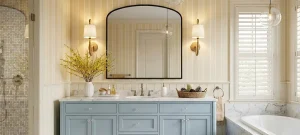



Upgrading your living space should be an exciting journey. When done right, transforming your house can boost your comfort while significantly increasing your home equity. However, not every dollar spent translates into a dollar earned. Many homeowners unknowingly make home renovations that hurt resale value, turning their dream project into a future selling obstacle. Have you ever walked into an open house and wondered what the owners were thinking when they chose that bright purple tile? It happens more often than you might think.
In 2026, Toronto homeowners face a unique set of circumstances. With higher material costs and a real estate market full of selective buyers, function, quality, and a move-in-ready condition carry far more weight than flashy, niche upgrades. Simply throwing money at a house will not guarantee a solid return. Certain upgrades can actually shrink your future buyer pool, reduce buyer appeal, or raise immediate red flags during a standard home inspection.
If you are planning to update your property, you need a solid strategy. This guide explores the most common home renovation mistakes to avoid in 2026 before selling, outlines which home improvements do not add value, and shows you how to balance your personal style with smart, resale-conscious planning.
Key Takeaways Before You Renovate
- Prioritize Broad Appeal: Deeply personal designs and hyper-trendy finishes can alienate potential buyers. Stick to neutral, timeless base materials.
- Functionality is King: Never sacrifice essential spaces like bedrooms, parking, or storage for a novelty room.
- Fix Before You Flourish: Ignoring foundational issues, plumbing problems, or an aging roof in favour of cosmetic updates is a major red flag for buyers.
- Permits Protect Your Investment: Unpermitted work can stall a future sale, cause appraisal issues, and create massive headaches in the Toronto real estate market.
- Professional Work Pays Off: Visible DIY renovation mistakes quickly erode buyer confidence and reduce property value.
Why Renovation Mistakes Matter More in 2026
Buyers Are More Value-Conscious
The landscape of the Toronto real estate market has shifted. Higher borrowing costs naturally make buyers far more selective about where they put their money. They are thoroughly comparing the condition, functional layout, finishes, and potential repair risks of every property they tour. In 2026, renovations must feel deeply practical, not just visually attractive. A buyer wants to know the home will serve their daily needs without requiring immediate fixes.
Renovation Costs Leave Less Room for Error
It is no secret that labour and materials remain expensive across Ontario. Because of this, poor decisions are much harder to recover from financially. If you tear down a wall and later realize you ruined the home’s flow, fixing those mistakes after the fact can easily cost more than getting it right the first time. Understanding hidden renovation costs early on is the best way to keep your budget intact and avoid painful surprises down the road.
Resale Value Depends on Broad Buyer Appeal
Your home is your castle, but when it is time to sell, it becomes a product on a shelf. Your personal style should never overpower the basic function of the space. Homes need to appeal to families, young professionals, and older couples alike. Smart renovations support long-term flexibility, ensuring the space adapts easily to whoever holds the keys next.
Overpersonalizing Your Design Choices
Bold Colours and Niche Finishes Can Limit Buyer Appeal
We all want a space that reflects who we are, but turning your living room into a neon-green sanctuary is one of the quickest ways to turn buyers away. Bright wall colours, unusual tile patterns, heavily themed rooms, and very specific custom cabinetry or flooring choices force buyers to calculate the cost of undoing your work.
Trend-Heavy Designs Can Age Quickly
What looks amazing on social media today might look entirely dated by tomorrow. Relying on short-lived design trends and heavily stylized, viral finishes is a risky game. If you are preparing to sell within the next one to five years, those ultra-modern choices may feel tired and out of touch by the time you list the property.
What to Do Instead
Choose timeless base finishes that serve as a blank canvas. You can easily add your unique personality through removable décor, area rugs, artwork, and furniture. By using neutral, warm, and high-quality materials for the permanent fixtures, you protect your property value while still enjoying a beautiful space.
Removing Bedrooms or Functional Spaces
Bedroom Count Matters to Buyers
Does removing a bedroom hurt resale value? The short answer is yes. Most families search for homes based strictly on bedroom count. If you combine two small bedrooms to create a massive primary suite, you immediately eliminate families who need that extra room for a child. Specialty rooms should always remain easy to convert back into a standard bedroom if necessary.
Walk-In Closets, Gyms, and Offices Can Backfire
Converting a spare room into a permanent home gym or installing built-ins for a dedicated office might suit your current lifestyle, but these choices can backfire. Oversized closet conversions and built-ins that reduce room flexibility make the space feel restrictive to anyone who does not share your exact daily routine.
What to Do Instead
Rely on flexible furniture and modular storage systems. Keep bedrooms legally and functionally intact, ensuring they retain their closets and proper egress windows. Design multi-purpose rooms that can adapt over time, functioning as an office today and a nursery tomorrow.
Converting a Garage Without Thinking About Resale
Parking and Storage Are Valuable in Toronto
In many Toronto neighbourhoods, street parking is a premium, making a dedicated garage an invaluable asset. Buyers heavily value secure parking and seasonal storage. Furthermore, condo and urban homeowners often need every available storage option to keep their living spaces uncluttered.
Garage Conversions Can Shrink the Buyer Pool
Transforming your garage into a massive family room or a yoga studio often results in a direct loss of parking and storage. Additionally, garage conversions often involve permit or code compliance issues. When buyers see a missing garage, they often see a missing convenience.
What to Do Instead
Focus on improving your garage organization with sturdy shelving and slat walls. If you need more living space, consider basement finishing where appropriate. If you truly want to alter the garage, explore legal secondary suite or addition options, but only with professional guidance to ensure you comply with all local zoning laws.
Choosing Poor Quality Workmanship
Visible Mistakes Make Buyers Question Hidden Problems
Nothing scares away a potential buyer faster than amateur craftsmanship. Uneven flooring installation, crooked tile, poor cabinet alignment, and noticeable gaps in trim or finishing work are massive red flags. If a buyer spots amateur plumbing or electrical work on the surface, they immediately assume the hidden components behind the walls are just as dangerous.
Low-Cost Contractors Can Create Expensive Problems
Trying to save a few dollars by hiring the cheapest bidder usually leads to disaster. Incomplete planning, unlicensed work, and poor project management often result in failed inspections or future repair needs. These issues will surface during a buyer’s home inspection, forcing you to lower your asking price or fix the problems before closing.
What to Do Instead
Hire experienced, vetted renovation professionals. Always review past work and client testimonials before signing a contract. Prioritize quality installation for kitchens, bathrooms, flooring, and any structural changes to guarantee the work stands the test of time.
Ignoring Major Repairs Before Cosmetic Upgrades
Buyers Notice Deferred Maintenance
It is tempting to spend your budget on a beautiful new kitchen, but cosmetic updates cannot mask foundational neglect. Buyers and their inspectors will always notice deferred maintenance. Roof issues, foundation cracks, water damage, plumbing leaks, electrical concerns, and failing HVAC systems will derail a sale faster than an outdated countertop.
Cosmetic Updates Cannot Hide Serious Issues
Slapping a coat of fresh paint on a ceiling does not solve the moisture problems causing the stain. Installing new hardwood flooring cannot fix structural concerns or sagging floor joists. Updated lighting fixtures simply do not offset a poor overall home condition.
What to Do Instead
Always address safety and maintenance issues first. Complete any inspection-related repairs early in your planning phase. Invest in a move-in-ready condition, prioritizing a solid roof, a dry basement, and safe electrical systems before you ever consider luxury finishes.
Over-Renovating for the Neighbourhood
Luxury Upgrades Do Not Always Return Their Cost
One of the most common renovation ROI mistakes is outfitting a home with features that price it out of its own area. High-end appliances in starter homes, premium marble flooring, expensive designer fixtures, oversized additions, and ultra-luxury finishes beyond local expectations rarely offer a good return on investment.
Neighbourhood Standards Influence Buyer Expectations
Buyers inherently compare homes within the same market. If every other home on your street is a modest bungalow, over-improving your property can significantly reduce your ROI. Renovation budgets should always match local resale potential.
What to Do Instead
Match your renovation scope to your home’s current value and the surrounding neighbourhood. Focus on quality mid-range finishes that look elegant without breaking the bank. Invest your budget in upgrades buyers actually notice and value, such as updated kitchens and functional bathrooms.
Making Kitchen Renovation Mistakes That Hurt Resale Value
Poor Layout Decisions
A beautiful kitchen is useless if you cannot comfortably cook in it. Bad workflow, awkward islands that block walkways, appliance placement issues, and limited prep space are major turn-offs. Buyers want an intuitive, open-concept living feel where cooking and socializing blend effortlessly.
Cheap Materials in High-Use Areas
The kitchen sees the most traffic in the house. Using weak custom cabinetry, laminate countertops where buyers expect quartz or stone, poor-quality hardware, and flooring that wears quickly will make the room look tired after just a few months of use.
What to Do Instead
Prioritize a smart layout, abundant storage, and tough durability. Use timeless cabinet styles and quality quartz countertops that handle daily spills with ease. For expert help designing a space that perfectly balances daily function with long-term value, explore our Kitchen Renovations Toronto services.
Making Bathroom Renovation Mistakes Buyers Notice
Prioritizing Looks Over Practicality
A sleek, modern bathroom loses its charm if it lacks basic utility. Poor ventilation, peeling paint, limited storage for daily toiletries, poor lighting, slippery floor tile, and awkward shower layouts frustrate buyers.
Cheap Fixtures Can Make the Space Feel Unfinished
Cutting corners in the bathroom is obvious. Low-quality vanities, flimsy shower doors, weak plumbing fixtures, and inconsistent finishes make the space feel cheap and unfinished, dragging down the overall property value.
What to Do Instead
Choose durable, moisture-resistant materials that can handle humidity. Improve lighting and install high-quality exhaust fans to ensure proper ventilation. To get the job done right, learn more about our comprehensive Bathroom Renovations Toronto services.
Sacrificing Storage Space
Storage Is a Major Buyer Priority
When touring homes, buyers open every single door. They are looking for spacious bedroom closets, ample pantry storage, reliable basement storage, practical garage storage, and smart built-in organization.
Removing Storage Can Make a Home Feel Less Functional
Tearing out a hallway closet to slightly enlarge a bathroom might seem clever, but removing storage leaves less room for families to stow their gear. It leads to a lack of organization and usually results in more clutter during showings, which visually shrinks the home.
What to Do Instead
Add smart built-ins where appropriate without stealing square footage from essential rooms. Improve your existing pantry and closet systems with professional organizers. Use vertical storage solutions, especially in smaller Toronto homes and condos, to maximize every inch of space.
Choosing Trendy Finishes Without a Long-Term Plan
Trends Can Become Resale Risks
Chasing the latest fad is a risky strategy. Highly specific tile shapes, overly bold cabinetry colours, statement flooring, unusual wallpaper, and extreme colour palettes can alienate buyers who do not share your exact aesthetic vision.
Some Trends Are Safer Than Others
Not all trends are bad. Warm neutrals, natural wood tones, matte black or brushed metal accents, clean quartz countertops, and simple cabinet profiles offer a modern feel while remaining universally appealing.
What to Do Instead
Keep your permanent, expensive finishes completely timeless. Use trendy accents in easy-to-change areas, like cabinet hardware, light fixtures, or a fresh coat of paint. This approach successfully balances your personality with vital resale flexibility.
Taking on DIY Projects Beyond Your Skill Level
Poor DIY Work Can Reduce Buyer Confidence
We all love a good weekend project, but biting off more than you can chew is dangerous. Uneven tile, visible drywall seams, poor paintwork, unsafe electrical work, and leaky plumbing are common DIY renovation mistakes buyers notice instantly.
DIY Mistakes Can Affect Inspections
Amateur handiwork often results in unpermitted work, serious code compliance issues, and genuine safety risks. When the home inspector flags these items, buyers will inevitably request costly repairs before closing or walk away entirely.
What to Do Instead
Limit your DIY efforts to low-risk cosmetic updates, such as painting a bedroom or replacing door handles. Always hire professionals for plumbing, electrical, structural modifications, tile setting, cabinetry installation, and detailed finishing work. Be sure to keep documentation for completed professional work to show future buyers.
Ignoring Permits, Codes, and Condo Rules
Unpermitted Renovations Can Create Resale Problems
Skipping the permit process to save time is one of the worst Toronto home renovation mistakes you can make. Unpermitted renovations lead to severe buyer concerns, potential appraisal issues, home insurance complications, and frustrating closing delays.
Toronto Homes and Condos Have Specific Requirements
City regulations are strict. Furthermore, if you live in a multi-residential building, you must navigate condo board approvals, rigid noise restrictions, elevator booking procedures, strict plumbing and electrical rules, and distinct structural limitations.
What to Do Instead
Always confirm permit requirements with the city before construction begins. Work strictly with contractors who are intimately familiar with Toronto renovation rules. Keep all your permits, plans, and project documentation well organized to hand over at resale.
Spending Too Much on Low-Impact Upgrades
Expensive Fixtures May Not Increase Appraised Value
Dropping a small fortune on designer faucets, boutique lighting, premium appliances beyond market expectations, or ultra-specialty materials does not automatically increase your home’s appraised value. Appraisers and buyers often group these into a general “updated” category, rarely on a dollar-for-dollar basis.
Pools and High-Maintenance Features Can Divide Buyers
Installing an in-ground pool is a classic example of an upgrade that divides the market. For some, it is a dream feature. For others, it presents safety concerns, ongoing maintenance costs, and climate considerations that limit buyer demand in a city like Toronto.
What to Do Instead
Focus on the home’s core condition, daily function, and curb appeal. Invest in quality products without overpaying for mere status upgrades. Make improvements that genuinely support daily living and broad resale appeal.
What Renovations Usually Protect Resale Value Best?
Functional Kitchen Improvements
Focusing on the heart of the home yields excellent results. A better layout, durable cabinetry, quality counters, improved lighting, and practical storage always catch a buyer’s eye.
Bathroom Updates That Improve Comfort and Condition
Buyers love walking into a fresh, clean washroom. Modern vanities, better showers with good water pressure, improved ventilation, and crisp water-resistant materials provide a solid return on investment.
Maintenance and Move-In-Ready Updates
Sometimes, the simple things matter most. Fresh paint, minor flooring repairs, exterior cleaning, gutter maintenance, tackling minor repairs, and adding better lighting make a property feel deeply cared for. If you are curious about what else works, read our guide on home renovations that add the most value.
Curb Appeal Improvements
You never get a second chance to make a first impression. Front entry updates, general landscaping cleanup, exterior brick or siding repairs, pressure washing the driveway, and installing updated house numbers and outdoor lighting set a positive tone before the buyer even steps inside.
How to Renovate Without Hurting Resale Value
Start With a Clear Renovation Plan
Before swinging a hammer, define your exact lifestyle needs. Consider your realistic resale timeline and set strict priorities. Clearly separate your absolute must-haves from your nice-to-haves so your budget stays focused on what matters most.
Balance Personal Style With Buyer Appeal
You can still enjoy your home while planning for the future. Use timeless materials for the house’s heavy, permanent features. Inject your vibrant personality through paint, décor, and accessories, carefully avoiding overly niche design decisions built into the walls or floors.
Work With a Professional Renovation Team
Partnering with experts guarantees better layout planning, superb quality craftsmanship, and strict budget control. Professionals maintain acute permit awareness and provide seamless project management from start to finish, ensuring your home renovation planning in Toronto goes off without a hitch.
Smart Planning Pays Off: Safeguarding Your Home’s Future
Upgrading your house does not have to be a gamble. By keeping functionality at the forefront, avoiding overly personalized permanent fixtures, respecting your neighbourhood’s market ceiling, and insisting on professional craftsmanship, you can enjoy a beautiful, upgraded living space today while firmly protecting your property’s resale value for tomorrow. Smart renovations are about making thoughtful choices that keep your future options wide open.
Why The Home Improvement People Are Toronto’s Trusted Renovation Experts
When it comes to navigating the complexities of the Toronto real estate market, experience matters. The Home Improvement People bring years of dedicated experience to every single Toronto renovation project we touch. Whether you need comprehensive kitchen and bathroom transformations, a functional basement renovation, tricky condo updates, or full-home modernization, our team has the proven expertise to bring your vision to life.
We understand exactly how layout, daily function, storage, and long-term resale value intersect. Our approach focuses on professional project planning and high-quality craftsmanship, ensuring every detail is handled with precision. We take the guesswork out of the process, offering expert help in choosing durable, timeless materials that look fantastic and withstand daily life.
With our end-to-end renovation management, we provide clear guidance for homeowners who want to drastically improve their daily living experience while responsibly protecting their long-term property value. Are you ready to upgrade your space the right way? Contact us today to get a Free Home Renovation Consultation in Toronto and explore our recent home renovation projects to see what we can do for you.