


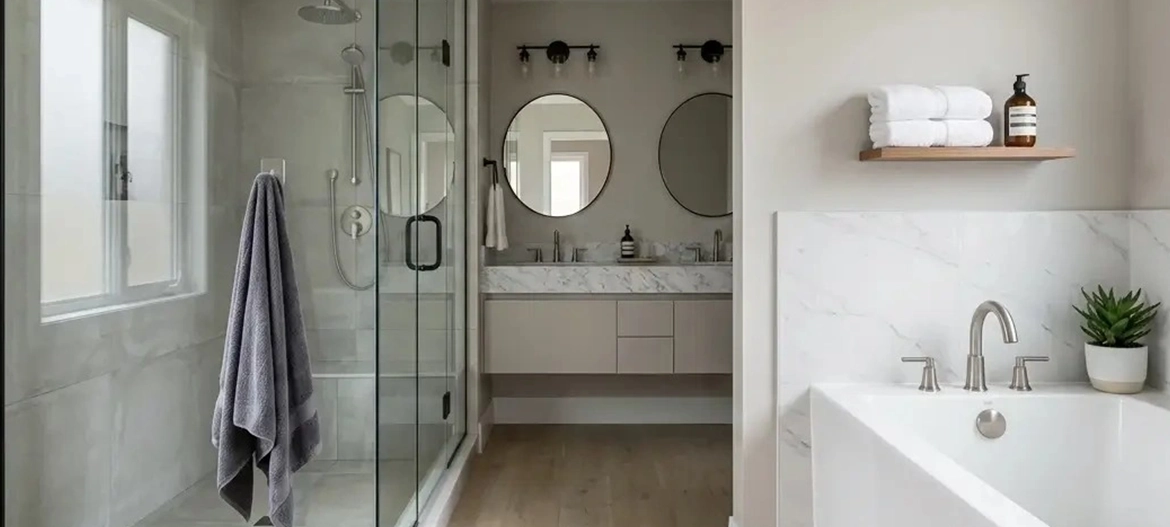
Many Toronto homeowners stare at a bathtub that is rarely used yet occupies a large portion of their bathroom. If your tub is just gathering dust, replacing it with a walk-in shower can modernize the space, improve everyday convenience, and make it much easier to enter the bathing area. But is a tub-to-shower conversion worth it?
The short answer is yes. A tub-to-shower conversion can be worth the investment when the shower better matches your household’s lifestyle, and the renovation is properly planned. However, homeowners should carefully consider the cost, plumbing, waterproofing, accessibility needs, and whether removing the tub makes sense for the home’s future resale appeal.
Key Takeaways
- Maximized Functionality: Converting a bathtub to a shower streamlines daily routines for households that rarely take baths.
- Careful Planning is Crucial: A successful renovation requires expert attention to plumbing, waterproofing, and layout adjustments.
- Resale Considerations: Keeping at least one bathtub in the home helps preserve resale appeal for future buyers with young children.
- Tailored Customization: A walk-in shower offers extensive design options, from slip-resistant tile to accessible grab bars.
- Professional Execution: Working with a professional contractor ensures your project complies with the Ontario Building Code and helps prevent hidden water damage.
What Is a Tub-to-Shower Conversion?
A typical conversion removes the existing bathtub and replaces the space with a dedicated shower. Depending on the design and condition of the existing bathroom, the project may involve several moving parts.
Your contractor will start by removing the bathtub and inspecting the wall and subfloor for structural integrity. The process often involves adjusting plumbing or drain locations, installing a shower base or a tiled shower floor, and applying proper waterproofing. Once a waterproof membrane is secured, the team begins tiling the shower walls, adding new fixtures, and installing a glass enclosure or shower door. You can also incorporate functional details such as shower niches, a built-in bench, grab bars, and other features.
Ultimately, a bathtub-to-shower conversion can range from a relatively straightforward fixture replacement to a more extensive bathroom renovation, depending on your desired design and existing conditions.
What Are the Benefits of Converting a Tub to a Shower?
Easier Entry and Improved Accessibility
Stepping over a high bathtub wall can become a literal hurdle for some homeowners. A properly designed low-threshold shower or curbless shower makes entering and exiting the bathing area significantly easier.
Potential features for an accessible shower renovation include a low- or no-threshold design, sturdy grab bars, a built-in bench, a handheld showerhead, and slip-resistant tile with easy-to-reach controls. While no bathroom design is entirely fall-proof, these sensible upgrades greatly enhance daily comfort and mobility.
A More Practical Bathroom for Shower Users
Do you actually remember the last time you took a bath? If household members rarely soak, replacing an unused tub with a dedicated shower simply makes more sense for your everyday routine. A larger shower can provide additional standing room and make it easier to incorporate features such as benches, niches, handheld fixtures, and glass enclosures.
A More Open, Modern Appearance
Removing a bulky wall surround and introducing a glass shower enclosure can create a wonderfully open visual appearance, particularly in smaller bathrooms. It tricks the eye and brightens the space. Just keep in mind that the renovation does not physically increase square footage unless the bathroom layout is actually changed.
More Customization Options
You hold the creative reins. When you replace a bathtub with a shower, customization options are vast. You might select frameless glass, large-format tile, sleek shower niches, built-in seating, or luxurious rain showerheads. Whether you want handheld fixtures, linear drains, decorative tile, or specific accessibility features, you can tailor the space to fit your exact needs.
What Are the Downsides of a Tub-to-Shower Conversion?
You Lose the Bathtub
This is the most obvious trade-off. Homeowners who genuinely enjoy soaking baths or regularly bathe young children may find a traditional tub far more practical for their family.
Removing the Only Tub Requires More Consideration
Think carefully before eliminating the only bathtub in the home. Some future buyers, particularly households with young children, may prefer a property with at least one bathtub. To understand how this impacts your property’s appeal, check out our guide on Walk-In Shower vs Bathtub: What’s Better for Toronto Resale Value?.
Costs Can Increase When Hidden Problems Are Found
Demolition day sometimes opens a can of worms. Removing the existing tub can expose issues such as hidden water damage, mould, a deteriorated subfloor, aging plumbing, improper previous waterproofing, or wall damage. Addressing these necessary repairs will increase the scope and cost of the renovation, but fixing them properly is essential for a lasting result.
How Much Does a Tub-to-Shower Conversion Cost in Toronto?
There is no single reliable price tag for every conversion. Your Toronto tub-to-shower conversion cost depends on the existing bathtub and bathroom layout.
The final cost depends on whether plumbing needs to be relocated, whether drain modifications are necessary, and whether you choose prefabricated or custom shower construction. Your tile selection, waterproofing requirements, glass enclosure style, shower fixtures, built-in niches, and accessibility features all play a part. Furthermore, hidden water or subfloor damage, electrical or ventilation upgrades, labour, and permit requirements will influence your budget.
For a broader look at overall project pricing, explore our Bathroom Renovation Cost in Toronto: Complete Pricing Guide.
What Makes a Tub-to-Shower Conversion More Expensive?
Moving Plumbing
Retaining existing plumbing locations can simplify the project, while relocating drains, supply lines, or controls can increase labour and complexity.
Custom Tile vs. Prefabricated Shower Systems
Material selection, installation requirements, shower dimensions, and customization all influence cost. Custom tile requires skilled labour, whereas a prefabricated shower pan and surround offer a different aesthetic and installation process.
Glass Enclosures
Custom frameless glass looks gorgeous, but it can increase the overall project investment compared with simpler enclosure options like a framed shower door.
Hidden Water Damage
Damage behind an existing bathtub or surround may only become visible after demolition. A trustworthy contractor will address the underlying problem rather than simply covering damaged materials, which inevitably affects the budget.
Is a Tub-to-Shower Conversion Good for Aging in Place?
This renovation is often considered when homeowners want to make their bathroom easier to navigate over the long term. A well-planned shower conversion for seniors or those with mobility concerns can include a low-threshold entry, a curbless design where feasible, grab-bar reinforcement, built-in seating, handheld shower fixtures, slip-resistant flooring, appropriate lighting, and easy-to-operate controls.
Clarify for yourself that simply removing a bathtub does not automatically make a bathroom accessible. True accessibility depends on the complete design, available floor space, entry width, shower dimensions, flooring, fixtures, and the individual user’s mobility needs.
Will Replacing a Bathtub With a Shower Hurt Resale Value?
Resale impact depends entirely on the property and bathroom configuration. A home with multiple bathrooms may be able to confidently convert one tub to a shower while retaining another bathtub elsewhere.
If the tub removal and shower installation removes the home’s only tub, homeowners should consider their expected length of ownership, household needs, property type, number of bathrooms, likely future buyer preferences, and the overall quality of the renovation. Practical daily value is often more important for homeowners planning to remain in the property for many years. For a deeper dive into tub vs shower resale value, read Walk-In Shower vs Bathtub: What’s Better for Toronto Resale Value?.
Do You Need a Permit for a Tub-to-Shower Conversion?
Permit requirements depend on the actual scope of the renovation. A straightforward fixture replacement may differ from a project that involves relocating plumbing, structural modifications, major electrical work, changes to walls, or other regulated alterations.
Always confirm the requirements for the property and renovation scope before construction begins. As part of our comprehensive process, The Home Improvement People can manage all applicable permit and code compliance requirements for you.
How Long Does a Tub-to-Shower Conversion Take?
Timelines vary based on scope. Important factors include demolition, the existing bathroom condition, plumbing changes, waterproofing, and tile installation. Drying and curing time, custom glass measurements, inspection requirements, and hidden repairs all play a role in the schedule.
For a conversion completed as part of a larger bathroom remodelling project, this task naturally integrates into the broader project schedule rather than acting as a quick, isolated fixture swap.
Is a Tub-to-Shower Conversion Worth It for a Small Bathroom?
It can certainly make sense when the existing tub dominates the bathroom and is rarely used. A walk-in shower in Toronto usually features clear glass, which may make the room feel more visually open and allows you to optimize the bathing area around your actual needs.
However, replacing the tub does not automatically create additional usable floor area. The beautiful result depends on the shower footprint and overall layout. You must factor in storage planning, shower-door clearance, toilet and vanity placement, and movement through the room.
When Is a Tub-to-Shower Conversion Worth It?
This project may be a strong option when:
- Household members primarily take showers.
- The tub is rarely used.
- Easier shower entry is important.
- The homeowner wants a more modern bathroom.
- The bathroom needs better functionality.
- Another bathtub remains elsewhere in the home.
- The homeowner plans to stay in the property long enough to enjoy the renovation.
- The conversion is part of a larger bathroom renovation.
When Should You Consider Keeping the Bathtub?
Retaining a bathtub may make more sense when:
- It is the only bathtub in the home.
- Young children regularly use it.
- Household members genuinely enjoy taking baths.
- The homeowner expects to sell soon and wants maximum flexibility for different buyer preferences.
- There is insufficient room to create the desired shower design.
- The conversion does not solve an actual functionality problem.
Why Professional Waterproofing and Installation Matter
A shower is a continuously exposed wet area, making proper waterproofing and drainage critical. Protecting your home requires proper waterproofing membranes, a correct shower-floor slope, flawless drain installation, secure plumbing connections, exact tile installation, diligent sealing, and proper ventilation.
Using appropriate materials for wet areas prevents major issues. Errors hidden behind the finished tile may not become visible until water damage and mould have already developed.
Transforming Your Toronto Bathroom: The Final Verdict on Tub-to-Shower Conversions
A bathtub-to-walk-in shower conversion can be a wonderful, worthwhile investment when it makes the bathroom more practical for the people who actually use it. However, homeowners should evaluate the existing bathroom layout, plumbing, waterproofing, accessibility needs, budget, and whether another bathtub should remain in GTA homes to preserve flexibility.
The Home Improvement People is an experienced bathroom renovation contractor in Toronto that can help you plan and complete the conversion properly, right from design and demolition through plumbing, waterproofing, tile, fixtures, and final installation.
Ready to create a space that works for you? Request a bathroom renovation quote and discuss your walk-in shower renovation cost and ideas with a Toronto bathroom renovation professional today.