

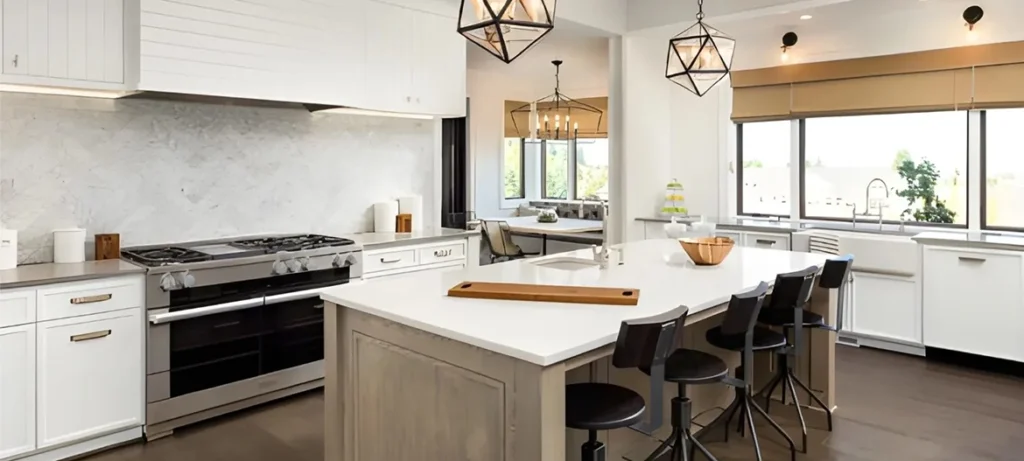
Cabinets are the hardworking backbone of your kitchen. They dictate the room’s visual appeal, steer your daily kitchen workflow, and hold the key to an organized life. When they start showing their age, many homeowners face a common crossroads. If you are asking yourself, is it better to reface or replace kitchen cabinets, you are not alone. Knowing how to choose between cabinet refacing and replacement is a major decision that impacts your renovation value and daily comfort.
Refacing serves as a smart cosmetic update if your cabinet boxes are structurally sound and your current layout is already working smoothly. On the other hand, replacement is the stronger option when you need to fix limited storage, correct a clumsy layout, or change the structural footprint. We will provide a clear comparison of cost, lifespan, timeline, disruption, and the best-use scenarios for each approach. Let us help you figure out the best cabinet upgrade Toronto has to offer for your home.
Key Takeaways
- Cabinet refacing is a cosmetic surface update ideal for structurally sound cabinets with a layout you already love.
- Kitchen cabinet replacement is necessary when existing boxes are damaged, poorly constructed, or when redesigning the room’s footprint.
- Refacing costs less upfront, but replacement often delivers superior long-term durability and function.
- A professional assessment is crucial to ensure you are not covering up underlying water damage or structural failure.
Quick Answer: Should You Reface or Replace Kitchen Cabinets?
Consider Refacing When
You might lean toward this lighter option if the bones of your kitchen are strong. If the cabinet boxes are structurally sound, the current layout works beautifully, and the doors and drawer fronts are your main concern, refacing can breathe new life into the room. This path allows a homeowner to get a fresh visual update with less demolition. Ultimately, is cabinet refacing worth it? Yes, if the foundation is solid and you simply want an updated aesthetic.
Consider Replacement When
Sometimes, a fresh coat of paint or a new veneer just will not cut it. Knowing when to replace kitchen cabinets is vital. You must plan for a full kitchen cabinet replacement when your existing cabinets are damaged, swollen, or poorly built. Have you ever tried to cook in a space where the layout is simply inefficient? If you find yourself struggling with clutter, storage must increase. Replacement is also the clear winner if you are moving appliances, relocating plumbing lines, or undertaking a larger kitchen renovation in Toronto.
Compare Long-Term Function, Not Price Alone
It is tempting to look at the bottom line and choose the cheapest quote. However, evaluating kitchen cabinet refacing vs replacement cost requires looking at the bigger picture. The lowest initial cost may not provide the best value if the underlying boxes are weak or if the layout remains frustrating every time you make dinner. A budget-friendly cosmetic fix on a failing frame is like putting fresh tires on a car with a blown engine; it looks good for a moment, but the underlying issue remains.
What Refacing and Replacement Include
Cabinet Refacing
What exactly does this process involve? Cabinet refacing means retaining your suitable cabinet boxes while swapping out the old exterior elements. A contractor will replace cabinet doors and drawer fronts, apply veneers, laminate, or thermofoil to the exposed cabinet frames, and update hinges and cabinet hardware. They might also complete minor trim work to tie the new look together. Keep in mind that services and material quality vary widely by contractor.
Cabinet Replacement
When you opt for a fresh start, the process is much more involved. Cabinet replacement means removing your existing cabinets and installing new stock, semi-custom, or fully custom cabinets. This blank slate allows you to redesign storage, improve the layout, and rethink appliance placement. You are building from the ground up to create a space that actually solves your daily frustrations.
What Refacing Cannot Fix
There is a limit to what surface-level updates can achieve. Refacing cannot fix weak or swollen boxes, mould concerns, water damage, or poor construction. If you suffer from limited storage, bad traffic flow, or need major layout changes, putting new doors on old boxes will not solve the problem. Knowing when not to reface kitchen cabinets is crucial, because ignoring foundational flaws will cost you more down the road.
Cabinet Refacing vs Replacement Comparison Table
| Feature | Cabinet Refacing | Cabinet Replacement |
| Relative Cost | Lower initial cost; saves on materials and labour. | Higher upfront investment; reflects new materials and design. |
| Project Timeline | Shorter timeline; typically takes a few days to a week. | Longer timeline; requires manufacturing, delivery, and installation. |
| Disruption | Minimal demolition; kitchen often remains partially usable. | Significant demolition; kitchen is usually unusable during work. |
| Customization | Limited to exterior finishes, door styles, and hardware. | Vast options; custom cabinetry tailored to exact specifications. |
| Layout Flexibility | None; you must keep the existing cabinet footprint. | Unlimited; allows for new islands, pantries, and workflow changes. |
| Storage Improvement | Minor; adding pull-outs is possible but constrained by old boxes. | Major; deep drawers, corner cabinet solutions, and better design. |
| Expected Longevity | Varies (often 10 to 15 years); depends on original box health. | Decades (often 20 to 50 years); depends on new construction quality. |
| Best Use Case | Cosmetic updates on sturdy, well-laid-out existing frames. | Resolving poor layouts, damaged boxes, or full room redesigns. |
| Limitations | Cannot fix structural issues, bad layouts, or water damage. | Requires a larger budget and a longer commitment to renovation. |
| Damaged Cabinets | Not suitable; masks problems that will worsen over time. | Ideal; removes compromised materials entirely. |
| Resale Considerations | Updates appearance for a quicker sale if the layout is good. | Can add substantial resale value to Toronto homes and condos. |
After reviewing the data, it becomes clear that refacing is mainly a cosmetic option. It works well if you want a quick facelift. However, replacement supports structural integrity, substantial storage improvements, layout corrections, and full-renovation goals.
Cost of Cabinet Refacing vs Replacement in Toronto
Refacing Cost Factors
If you are crunching the numbers on kitchen cabinet refacing cost, several variables come into play. The final bill depends on the kitchen size, the total number of doors and drawer fronts, and the chosen material. Are you using a basic thermofoil or a premium wood veneer? Do not forget the cost of new soft-close hinges, handles, and labour, as well as the condition of the original cabinets. Sometimes, prepping an older frame takes more time than anticipated.
Replacement Cost Factors
Calculating cabinet replacement cost involves a broader scope. Pricing relies heavily on the cabinet type you select. Stock, semi-custom, and custom kitchen cabinets all carry different price tags. You also need to factor in materials, room size, demolition, and cabinet installation. Because replacement often triggers a domino effect, you must budget for countertops, a new backsplash, plumbing adjustments, electrical upgrades, appliances, flooring, and trim.
Hidden and Related Costs
Neither route is immune to surprises. Hidden costs can sneak up on you. You need to plan for waste disposal, wall repairs, flooring gaps, and plumbing lines that might need to be shifted. There are also hardware accessories, temporary kitchen setups for when your main cooking area is out of commission, and material lead times to consider. To get a better grasp on the financial landscape, reviewing a detailed breakdown of a kitchen renovation cost in Toronto can be helpful. Please note that figures in older resources may be dated, so always verify current 2026 pricing with a professional before finalizing your budget.
Lifespan and Cabinet Condition
What Affects Refacing Longevity
How long does cabinet refacing last? The cabinet refacing lifespan relies directly on the health of your existing cabinet boxes. Longevity is affected by material quality, installation precision, daily moisture exposure, heavy use, and routine maintenance. If the original bones are strong, a refaced kitchen can serve you well for years. We cannot promise a universal lifespan, as every household subjects their kitchen to different levels of wear and tear.
What Affects New-Cabinet Longevity
When considering the lifespan of new kitchen cabinets, the construction method is paramount. Long-term durability stems from robust box construction, the quality of MDF cabinets or plywood cabinet boxes, premium hardware, sturdy drawer construction, and the finish quality. Proper installation and gentle maintenance play equally crucial roles in ensuring your investment stands the test of time.
Existing Structure Is the Deciding Factor
A new exterior finish does not correct weak, damaged, swollen, or poorly installed boxes. If you are weighing cabinet refacing vs replacing cabinets, remember that the existing structure is the ultimate deciding factor.
Materials, Finishes and Hardware
Choosing the right surface is a balancing act between aesthetics and durability. Laminate is budget-friendly and easy to clean, making it a staple for busy families. Thermofoil offers a seamless, moisture-resistant finish, though it can be sensitive to high heat near ovens. A wood veneer provides the warmth of real wood without the bulk, while solid wood doors deliver unmatched traditional charm and longevity at a higher price point. We recommend weighing style, maintenance needs, moisture exposure, and cost carefully, as there is no single material that is universally best for everyone.
Additionally, the tactile experience matters. Upgrading to soft-close hinges, robust cabinet hardware, elegant pulls, and smooth drawer slides makes a daily difference in how your kitchen feels and functions.
Storage and Layout Considerations
Refacing Keeps the Existing Cabinet Footprint
If you choose to reface, you are committing to your current cabinet layout. This path keeps the existing footprint exactly where it is. It is suitable only when the current placement, storage capacity, and overall kitchen workflow already work effortlessly for your lifestyle.
Replacement Can Improve Function
Are you tired of digging into dark corners for a single pot? Choosing cabinet replacement for better kitchen storage changes the game entirely. A new design allows you to incorporate deep drawers, dedicated pantry storage, convenient pull-out shelves, and clever corner cabinet solutions. You can finally build that dream kitchen island or adjust appliance placements to make cooking a joy rather than a chore.
Plan Around Daily Kitchen Use
Whether you reface or replace, the design must reflect your reality. Plan around your daily cooking habits, your family size, and how often you entertain guests. Space constraints in Toronto condos require different solutions than spacious suburban kitchens. Think about accessibility and your likely resale needs down the line, ensuring the space works beautifully today and appeals to future buyers tomorrow.
Timeline, Disruption and Connected Finishes
Renovating the heart of the home disrupts daily life. Refacing usually involves less demolition and allows you to maintain some use of the space. Replacement requires meticulous planning and significantly more downtime. Tearing out old boxes may affect your countertops, backsplash, flooring, walls, plumbing, electrical work, and appliances. Custom products can extend the timeline for either option. We cannot guarantee specific schedules, as every project faces unique site conditions. For a smooth process, following a detailed kitchen renovation checklist will help you prepare for the temporary chaos.
When Refacing May Be the Better Choice
Sometimes, less really is more. Refacing may be the winning ticket if you have sound cabinet boxes and a satisfactory layout. If your goal is primarily cosmetic, this route offers limited disruption. It is also an excellent strategy if you want to preserve your budget to splurge on luxury countertops, a stunning backsplash, under-cabinet lighting, new flooring, or high-end appliances.
When Replacement May Be the Better Choice
You need to rip the bandage off when the foundation is failing. Replacement is usually the better choice if you are dealing with damaged or poor-quality cabinetry. It is the only real solution for inadequate storage, poor workflow, or a desire for a complete design change. If your vision includes appliance relocation, adding a new island, or integrating the cabinetry into a full kitchen cabinet renovation, starting fresh is the way to go.
Common Cabinet-Upgrade Mistakes
- Avoid refacing damaged boxes. Putting a shiny new door on a rotting frame is a recipe for trouble and twice the cost.
- Do not choose your path based on price alone. A cheap fix that leaves you frustrated with your layout offers terrible value.
- Ignoring storage is a missed opportunity. Always look for ways to maximize every square inch.
- Forgetting how cabinets impact the countertops and backsplash can lead to disjointed designs.
- Failing to inspect for moisture issues before starting work can lead to thousands of dollars in hidden damage.
- Finally, avoid hiring without reviewing a contractor’s kitchen-renovation experience, their specific scope of work, and their process.
Why Professional Cabinet and Kitchen Planning Matters
Navigating these choices requires an expert eye. A professional can properly assess cabinet structure, alignment, and hidden moisture damage. They evaluate your layout, pinpoint storage deficits, and plan the connected renovation work seamlessly. Every choice you make creates a ripple effect. Your cabinet choices directly affect countertops, backsplash materials, flooring, lighting design, plumbing, electrical upgrades, and appliances. Having an experienced guide ensures that all these moving parts harmonize into a beautiful, functional space.
Why The Home Improvement People Is a Trusted Toronto Kitchen Renovation Company
When you are ready to transform your space, you need a team that understands the unique architectural landscape of the city. We have verified experience working in Toronto condos, detached and semi-detached homes, and charming older properties. Our team excels at assessing existing cabinetry, optimizing storage planning, and designing layouts that make sense. We handle everything from the initial design to the installation of countertops, backsplashes, under-cabinet lighting, flooring, and full main-floor renovations.
Our experts can evaluate your current setup and help you determine whether a strategic cabinet replacement or a larger kitchen renovation best fits your goals. As a premier kitchen renovation contractor in Toronto, we are dedicated to solving your specific household frustrations with quality craftsmanship. Discover how our kitchen renovations can elevate your daily living.
Bringing It All Together: Your Path to a Better Kitchen
Deciding whether to reface or replace comes down to the bones of your kitchen and how you live in it. If your layout works for you and the boxes are sturdy, a cosmetic lift might suffice. But if you are fighting for storage, navigating a clumsy workflow, or dealing with damaged materials, investing in new custom or semi-custom cabinets will offer better long-term durability and resale value. Your kitchen is the hardworking centre of your home; it deserves to look beautiful and function perfectly.
What specific frustrations are you experiencing with your current kitchen layout that are making you consider an upgrade? Explore our recent kitchen renovation projects and get a free kitchen renovation consultation in Toronto today!

You Might Also Like
Is a Tub-to-Shower Conversion Worth It? Pros, Cons, and Costs Explained
Many Toronto homeowners stare at a bathtub that is rarely used yet occupies a large portion of their bathroom. If...
Rear Addition vs. Second-Storey Addition: Which Gives You Better Value?
You love your Toronto neighbourhood. The schools are great, the parks are close by, and you have built a life...
Should You Renovate or Move? A Cost and Lifestyle Comparison
Trying to decide whether to pack up your boxes or pull out the blueprints is a monumental choice. For many...