

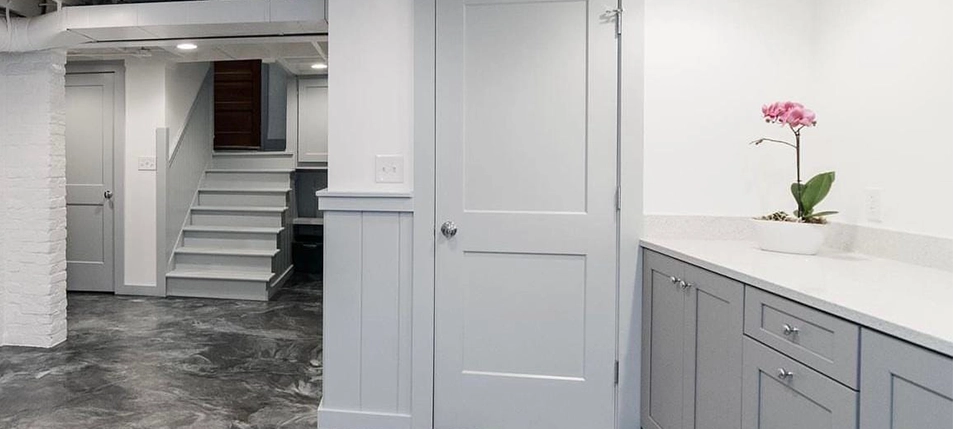
An unfinished basement is often the biggest hidden opportunity in a home. It sits quietly below the main floor, storing holiday decorations, old furniture, and boxes you keep meaning to sort through “one day.” Yet in Ontario’s housing market, that same space can become a family gathering area, a productive workspace, a guest suite, or even a source of rental income.
It’s no surprise that many homeowners exploring basement renovation ideas are looking for ways to create more living space without the cost and disruption of moving. A well-planned basement renovation can transform underused square footage into a functional extension of your home while potentially returning about 70% of its cost at resale.
The key is balancing inspiration with practicality. Before choosing finishes or layouts, you need to know whether your basement can safely and legally support your plans. Moisture concerns, permit requirements, egress windows, and ceiling heights all play an important role in creating a basement that adds value rather than future headaches.
Key Takeaways
- Finished basements in Ontario typically return approximately 70% of renovation costs at resale.
- Popular uses include family rooms, home offices, bedroom suites, home gyms, and legal secondary rental apartments.
- A moisture assessment should always be the first step before any finishing work begins.
- Most basement renovations in Ontario require permits, particularly when walls, plumbing, electrical, or bedrooms are involved.
- Proper planning helps protect safety, resale value, and long-term enjoyment of the space.
What to do before any basement renovation starts
If you’re wondering how to finish a basement in Ontario, the first answer isn’t flooring, paint colours, or built-in cabinetry.
It’s moisture.
No matter how beautiful a finished basement design looks on paper, finishing over an unresolved moisture issue is like building a house on sand. Eventually, problems surface.
Before planning any basement finishing ideas in Ontario, homeowners should inspect the space for signs of water intrusion, including:
- White mineral deposits (efflorescence) on foundation walls
- Damp spots on floors or walls
- Persistent musty odours
- Previous water damage or staining
If you find any concerns like that, a waterproofing or moisture assessment is a wise investment before renovation begins.
It’s also important to assess your HVAC system. Can your existing heating and cooling equipment comfortably serve the additional living area? A structural review can identify load-bearing elements that influence your layout options and help avoid surprises later.
Taking these steps early helps ensure your renovation starts on solid ground rather than becoming a costly lesson in hindsight.
Building permits for basement renovations in Ontario
Let’s talk about a topic that rarely appears on renovation inspiration boards: permits.
Many Ontario homeowners see permits as an obstacle. In reality, they are one of the best tools available to protect your investment.
Most basement renovation ideas involving structural changes require permits under Ontario Building Code requirements. This commonly includes:
- Adding walls
- Creating bedrooms
- Installing bathrooms
- Modifying plumbing
- Updating electrical systems
- Underpinning or lowering the basement floor
Cosmetic upgrades such as painting, flooring replacement, and some cabinetry installations generally do not require permits.
Why does this matter?
Because unpermitted work often creates issues during resale. Buyers, lenders, insurers, and home inspectors frequently identify renovations that were completed without proper approvals. In Ontario, unpermitted work may need to be disclosed during a sale and can complicate financing or insurance claims.
The permit process is not there to slow a project down. It exists to verify that the work is safe, compliant, and properly documented.
The most popular basement renovation ideas in Ontario
Once moisture concerns and permit requirements are addressed, the fun part begins.
Here are some of the most popular finished basement ideas GTA homeowners are choosing today.
Family Room or Recreation Space
The classic basement family room remains one of the most practical and versatile renovation choices.
Whether it’s movie nights, game days, or simply creating breathing room for a growing family, a recreation area provides usable space that appeals to both current homeowners and future buyers.
Good lighting is especially important because natural light is often limited below grade. Recessed LED lighting, layered fixtures, durable flooring, and acoustic insulation can make a basement feel far more welcoming than many people expect.
Basement Home Office
The rise of remote and hybrid work has permanently changed how many homeowners view their space.
A basement home office offers privacy, separation from household distractions, and flexibility for changing work schedules.
When planning a dedicated office, consider:
- Strong internet connectivity
- Layered task lighting
- Sound insulation
- Built-in storage
- Flexible furniture layouts
For many households, the home office has shifted from a luxury to a necessity.
Bedroom Suite
Among popular basement bedroom ideas, guest suites and multigenerational living spaces continue to gain attention across Ontario.
However, homeowners should understand the legal requirements before adding a bedroom.
Ontario Building Code requirements generally include:
- Minimum ceiling heights for habitable rooms
- A compliant basement egress window for emergency escape
- Smoke alarms and carbon monoxide detectors where required
A basement bedroom without proper egress cannot legally function as a bedroom, which can create safety concerns and disclosure issues during resale.
Home Gym
A home gym can be one of the simpler basement renovation ideas in Canada.
Rubber flooring, mirrors, improved ventilation, and dedicated exercise zones can create a practical fitness space without requiring the same level of infrastructure as a bathroom or secondary suite.
For active households, it can be a convenient alternative to commuting to a gym throughout the year.
Legal Secondary Suite
For homeowners looking at long-term value, a legal basement apartment can offer both additional living space and rental income potential.
A secondary suite Ontario homeowners intend to rent generally requires:
- A separate entrance
- A kitchen
- A bathroom
- Proper egress
- Smoke and carbon monoxide protection
- HVAC and electrical compliance
Municipal requirements vary throughout Toronto and the GTA, so local regulations should always be confirmed before planning begins.
The rental income potential can be attractive, but the word “legal” matters. Many homeowners discover during a future sale that their basement apartment does not meet applicable requirements. Addressing compliance from the beginning helps avoid those surprises.
If you’re considering a secondary suite or another major basement transformation, exploring professional basement renovation services can help clarify what’s possible within your home’s existing structure and local regulations.
What does a basement renovation cost in Ontario?
One of the most frequently searched questions is basement renovation costs in Ontario.
The answer depends on several factors:
- Basement size
- Existing condition
- Plumbing requirements
- Bathroom additions
- Bedroom additions
- Structural work
- Permit requirements
- Finish selections
As a general guideline, a full finished basement in Ontario often falls within the $30,000 to $80,000+ range, depending on scope and complexity.
Projects involving underpinning, extensive plumbing, or legal secondary suites can increase costs significantly.
The best approach is obtaining detailed renovation proposals that clearly outline the scope of work, permit requirements, and any potential site-specific challenges.
ROI: what a finished basement returns at sale
A finished basement is often viewed as both a lifestyle upgrade and a financial investment.
Industry estimates commonly suggest that basement renovation ROI in Canada is approximately 70%, meaning a substantial portion of renovation costs may be reflected in future resale value.
Of course, ROI is never guaranteed. Market conditions, location, renovation quality, and buyer preferences all influence the actual results.
In strong Ontario markets such as Toronto, Hamilton, and Barrie, well-designed finished basements often attract buyer attention because they increase functional living space without expanding the home’s footprint.
For legal secondary suites, rental income can provide an additional financial benefit that extends beyond eventual resale value.
Frequently Asked Questions
Can I legally rent out my basement in Ontario?
Only if it complies with applicable requirements for a legal secondary suite. This generally includes a separate entrance, proper egress, minimum ceiling heights, a kitchen, a bathroom, and required life-safety systems. Municipal registration requirements may also apply.
How long does a basement renovation take in Ontario?
Timelines vary depending on project scope, permit approvals, and complexity. Simple finishing projects generally move faster than renovations involving bathrooms, bedrooms, or legal secondary suites.
Do I need to move out during a basement renovation?
In most cases, homeowners can continue living in the home while basement renovations are underway. Certain phases involving structural work, HVAC modifications, or extensive electrical upgrades may create temporary disruptions.
What flooring works best for Ontario basements?
Luxury vinyl plank (LVP) remains one of the most popular options because it is durable, moisture-resistant, and visually appealing. Tile and engineered flooring can also perform well when installed appropriately for basement conditions.
Creating a Basement That Works Harder for Your Home
The best basement renovation ideas do more than add square footage. They create meaningful living space that supports how your family lives today while strengthening the value of your home for tomorrow.
Whether you’re envisioning a basement family room, a dedicated home office, a guest bedroom, a fitness space, or a legal secondary suite, success starts with the fundamentals. Address moisture concerns first, understand permit requirements, and ensure your plans align with Ontario Building Code requirements.
Those early decisions often determine whether a renovation becomes a long-term asset or a source of future complications.
For homeowners across Toronto and the GTA, Home Improvement People brings decades of renovation experience to basement projects of all sizes. If you’re ready to explore the possibilities for your home, you can learn more about our basement renovation services.
When you’re ready to discuss your project and next steps, you can request a renovation quote.

You Might Also Like
Aging-in-Place Renovations: How to Make a Home Safer, More Accessible, and Ready for the Long Term
For many Canadians, home is more than just a place to live. It is where memories are made, routines are...
Is a Tub-to-Shower Conversion Worth It? Pros, Cons, and Costs Explained
Many Toronto homeowners stare at a bathtub that is rarely used yet occupies a large portion of their bathroom. If...
Rear Addition vs. Second-Storey Addition: Which Gives You Better Value?
You love your Toronto neighbourhood. The schools are great, the parks are close by, and you have built a life...